Artificial intelligence continues to reshape how businesses operate. In 2026, the trends driving AI automation are more transformative than ever.
1. Agentic AI Takes Center Stage
Unlike traditional automation that follows rigid rules, agentic AI systems can reason, plan, and execute multi-step tasks autonomously. These AI agents adapt to changing conditions, learn from outcomes, and make decisions without human intervention.
2. Hyper-Personalization at Scale
AI models now analyze customer behavior in real-time, delivering personalized experiences across every touchpoint. From tailored product recommendations to dynamic pricing, businesses using hyper-personalization see conversion rates increase by up to 40%.
3. Voice AI Goes Mainstream
Voice-enabled AI assistants are no longer novelties. They handle customer service, appointment scheduling, and even complex triage tasks with near-human accuracy. Dental practices, law firms, and medical clinics are adopting AI receptionists that handle 85% of inbound calls autonomously.
4. AI-Powered Data Analytics
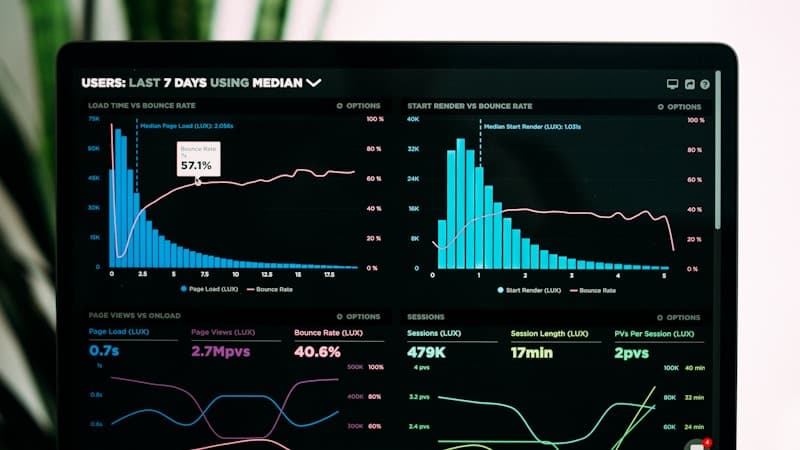
Modern AI analytics tools process vast datasets in seconds, surfacing actionable insights that would take human analysts weeks to uncover. Predictive analytics, churn prediction, and sentiment analysis are now table stakes for competitive businesses.
5. No-Code AI Platforms
The democratization of AI continues. No-code platforms let non-technical team members build, train, and deploy AI models without writing a single line of code. This trend is closing the gap between AI capability and business adoption.
6. Edge AI for Real-Time Processing
Processing AI models directly on devices (edge computing) reduces latency and improves privacy. From manufacturing quality control to retail inventory management, edge AI enables real-time decision-making without cloud dependency.
7. Ethical AI and Governance
As AI becomes more pervasive, regulatory frameworks are catching up. Businesses are investing in AI governance platforms that ensure transparency, fairness, and compliance with emerging regulations.
The Bottom Line
AI automation in 2026 isn't just about cutting costs — it's about reimagining what's possible. Organizations that embrace these trends will outperform competitors who treat AI as a nice-to-have rather than a strategic imperative.